That telltale rumble in your dog’s stomach after a day in the woods might not be from drinking stream water or eating something questionable—it could be a sign of something far more serious.
While most pet owners associate tick bites with Lyme disease and joint pain, veterinarians are reporting an alarming trend: a growing number of tick-related digestive issues that often go unrecognized until they become severe.
At 3Moms Organics, our research into natural tick prevention has revealed surprising connections between these parasites and gastrointestinal problems—from mild upsets to serious complications that can leave pet owners feeling helpless. Whether your dog spends hours exploring trails or simply enjoys your backyard, understanding this hidden threat could save you both from unnecessary distress.
In this comprehensive guide, we’ll explore the unexpected ways ticks can disrupt your dog’s digestion, identify early warning signs often mistaken for routine stomach issues, and share proven prevention strategies to help keep your pet’s gut healthy—naturally. We’ve translated complex veterinary research into practical insights you can use to protect your four-legged family member from these stealth invaders.
How Tick-Borne Diseases Affect Canine Digestion
Tick-borne diseases can significantly impact a dog’s digestive system, causing symptoms that vary in severity. Here’s how these illnesses affect gastrointestinal (GI) function:
The Role of Tick Saliva in Digestive Disruption
-
Compounds in Saliva: Tick saliva contains anticoagulants and immunosuppressants that help ticks feed and evade the host’s immune system.
-
GI Irritation: These substances can irritate a dog’s GI tract, potentially causing mild digestive upset or diarrhea—even without disease transmission.
Pathogens and Their Impact on the GI System
When ticks transmit pathogens, digestive issues can worsen:
-
Bacterial Infections: Organisms like Anaplasma and Ehrlichia can inflame the GI tract, often resulting in diarrhea.
-
Parasitic Infections: Parasites such as Babesia may trigger systemic inflammation that indirectly affects digestion.
-
Primary vs. Secondary Symptoms: In some cases (e.g., anaplasmosis), diarrhea is a primary symptom. In others, it stems from systemic effects like dehydration, fever, or immune suppression.
When to Seek Veterinary Care
-
Mild GI Upset: Diarrhea caused by tick saliva may resolve on its own.
-
Warning Signs: Persistent or severe diarrhea—especially with lethargy, fever, or other symptoms—likely indicates an infection requiring veterinary care.
Common Tick-Borne Illnesses Linked to Diarrhea in Dogs
Diarrhea isn’t usually the first symptom associated with tick-borne illnesses—but it’s often a sneaky sign that something’s wrong. Here are the top culprits:
Lyme Disease
Best known for joint pain and lethargy, Lyme disease rarely causes GI issues. However, systemic inflammation in some cases may lead to mild diarrhea. If your dog has diarrhea along with fever or limping, Lyme disease might be a factor.
Anaplasmosis
A more likely cause of GI symptoms, anaplasmosis is caused by Anaplasma phagocytophilum. Common signs include fever, loss of appetite, vomiting, and diarrhea—often appearing early in the infection. Dogs exposed to tick-heavy environments should be monitored closely.
Ehrlichiosis
This bacterial infection affects platelet levels, sometimes leading to bleeding disorders. In severe cases, it may cause bloody diarrhea, along with fever and lethargy. If you see these symptoms, seek veterinary help immediately.
Rocky Mountain Spotted Fever (RMSF)
Approximately 30% of dogs with RMSF experience acute GI distress—diarrhea, vomiting, and abdominal pain—due to inflammation and vascular damage from Rickettsia rickettsii. If your dog’s digestion suddenly changes after a tick bite, RMSF could be the cause.
Babesiosis
Caused by protozoan parasites that destroy red blood cells, babesiosis leads to anemia and organ stress. Diarrhea is a possible secondary symptom, often accompanied by weakness and pale gums. Though less common, it’s serious—especially in regions with high Babesia activity.
Mechanisms of Tick-Related Diarrhea
Tick-related diarrhea results from a complex interplay of inflammation, immune suppression, and pathogen activity.
When a tick bites, it introduces not just saliva but also potential pathogens into your dog’s bloodstream. These may include Borrelia burgdorferi (Lyme) or Anaplasma phagocytophilum (anaplasmosis), both of which can trigger gut inflammation.
Tick saliva also suppresses immune function, increasing the risk of secondary infections like Giardia or intestinal worms, which further irritate the digestive tract.
Dehydration compounds the problem. Tick-borne illnesses often cause fever, which reduces water intake and increases fluid loss. Combined with diarrhea, this creates a vicious cycle of worsening symptoms and delayed recovery.
In some cases, systemic stress—like red blood cell destruction (babesiosis) or platelet loss (ehrlichiosis)—further weakens the body, exacerbating GI issues.
Understanding these mechanisms helps veterinarians diagnose and treat the root cause, not just the symptoms. For dog owners, it’s a reminder: even a small tick bite can spiral into something much more serious.
Treatment Strategies for Tick-Induced Diarrhea
Treatment focuses on two fronts: eliminating the infection and managing the symptoms.
Targeting the Infection
- Antibiotics: Medications like doxycycline are commonly prescribed for tick-borne diseases such as anaplasmosis and ehrlichiosis. Treatment specifics will depend on the diagnosis, so always follow your vet’s advice.
Managing Symptoms
-
-
Hydration: Diarrhea and fever can quickly lead to dehydration. Mild cases may respond to water or electrolyte solutions, but more severe cases often require subcutaneous or IV fluids from your vet.
-
Anti-Inflammatories: These can reduce gut inflammation and discomfort.
-
Probiotics: Useful for restoring gut health after antibiotic use.
-
Bland Diets: Boiled chicken and rice can soothe your dog’s stomach during recovery.
Monitor your dog’s energy, appetite, and stool quality. If symptoms persist or worsen, revisit the vet.
Every dog is different—be patient and consistent. And don’t underestimate the healing power of TLC.
-
Prevention and Risk Mitigation
Preventing tick bites is the most effective way to avoid tick-borne diarrhea. Here’s how:
Use Tick Preventatives
Options include:
-
Collars: Long-lasting protection.
-
Topical treatments: Applied to the skin to kill ticks on contact.
-
Oral medications: Chewables that kill ticks after they bite.
Many conventional products contain harsh chemicals like Fipronil, Permethrin, or Afoxolaner. While effective, they may carry unwanted side effects.
That’s why we created TickWise at 3 Moms Organics—a sustainable, non-toxic tick repellent that’s MADE SAFE® certified. This seal ensures products are free from carcinogens, endocrine disruptors, pesticides, heavy metals, and other harmful substances.
Know the Geographic Risks
Tick species vary by region:
-
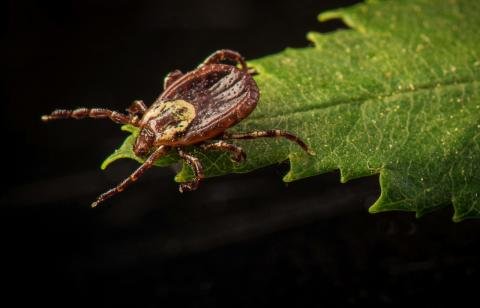
Ixodes ticks: Found in the Northeast and Midwest; known for spreading Lyme disease.
-
Lone Star ticks: Common in the Southeast; associated with ehrlichiosis.
-
Brown Dog ticks: Present nationwide; can carry babesiosis.
If you live or travel in high-risk areas, check your dog after outdoor adventures—especially in wooded or grassy places.
Consider Vaccination
The Lyme disease vaccine can significantly reduce your dog’s risk of infection. Speak with your vet to determine if it’s right for your pet, especially if you’re in a high-risk region.
Manage Your Yard
Environmental changes can deter ticks:
-
Keep grass trimmed.
-
Clear leaf litter.
-
Create gravel or mulch barriers between wooded areas and pet play zones.
When to Seek Emergency Care
While many cases of diarrhea are manageable at home, some symptoms require immediate veterinary care:
-
Bloody Stool: A sign of internal bleeding or serious infection.
-
Lethargy: Loss of interest in food, water, or normal activity may signal systemic issues.
-
Neurological Symptoms: Seizures, stumbling, or confusion demand urgent attention.
-
High-Risk Dogs: Puppies and seniors are more vulnerable. Rapid weight loss or dehydration in these groups should not be ignored.
-
Persistent Diarrhea: If it lasts more than 48 hours, even mild cases can become dangerous.
When in doubt, don’t wait. Early treatment can make a big difference in recovery outcomes.
By staying vigilant, using safe preventatives like TickWise, and understanding the early signs of illness, you can help protect your dog from the hidden dangers of tick-borne diseases. Because sometimes, a simple tummy ache isn’t so simple after all.