Most dog owners know to check for ticks after a woodland walk – but few realize these tiny parasites can trigger something far more terrifying than just an itchy bite. As cases of tick-borne seizures in dogs have surged in the last five years, veterinarians are sounding the alarm about this often-overlooked neurological threat that can strike weeks or even months after a single tick encounter.
At 3Moms Organics, we’ve dedicated years to understanding how these dangerous parasites affect our pets’ neurological health. Through developing our Tickwise natural repellent, we’ve uncovered crucial insights about the connection between ticks and seizures – and more importantly, how to prevent them. For both city pups and country dogs, this hidden danger requires a new level of vigilance.
In this comprehensive guide, we’ll expose the surprising link between tick-borne diseases and seizures, reveal the early warning signs that most owners miss, and share proven prevention strategies that don’t compromise your dog’s health. We’ve distilled complex veterinary research into practical, actionable steps you can take today to protect your four-legged family member from these neurological complications.
Tick-Borne Diseases Linked to Canine Seizures
When it comes to tick-borne diseases that can cause seizures in dogs, it’s not just a single culprit—it’s a lineup of potential threats.
The primary offenders include Lyme disease, babesiosis, and Rocky Mountain spotted fever, all of which can wreak havoc on your dog’s nervous system. But the list doesn’t stop there. Diseases like anaplasmosis and hepatozoonosis, though less commonly discussed, can also trigger neurological damage, leading to seizures.
Let’s break it down.
Lyme disease, caused by the bacterium Borrelia burgdorferi, is infamous for its ability to infiltrate joints and nervous tissue. In severe cases, this can lead to neuroborreliosis, a condition where the infection spreads to the brain or spinal cord, resulting in seizures.
Babesiosis, caused by the parasite Babesia canis, destroys red blood cells, leading to anemia and, in severe cases, neurological complications. Rocky Mountain spotted fever, transmitted by the Rickettsia rickettsii bacteria, causes inflammation in blood vessels, which can affect the brain and induce seizures.
Anaplasmosis, caused by Anaplasma phagocytophilum, and hepatozoonosis, caused by Hepatozoon canis, are lesser-known but equally dangerous. Both can cause systemic inflammation and damage to the nervous system, though their mechanisms are still being studied.
The ticks responsible for transmitting these diseases are equally important to know. Deer ticks (Ixodes scapularis) are the primary carriers of Lyme disease and anaplasmosis, while Lone Star ticks (Amblyomma americanum) are associated with Rocky Mountain spotted fever and other infections. Knowing which ticks are prevalent in your area can help you better protect your dog.
In short, ticks are more than just a nuisance—they’re vectors for diseases that can have serious neurological consequences for your dog. Understanding the risks is the first step in keeping your furry friend safe.
Symptoms & Timeline of Tick-Related Neurological Issues
When it comes to tick-borne diseases in dogs, the progression from a seemingly harmless bite to serious neurological issues like seizures can be unsettling. Early detection is key, but what exactly should you be looking for?
The first signs often mimic general illness: fever, lethargy, and a sudden loss of coordination. Your dog might seem “off”—less playful, hesitant to move, or unsteady on their feet. These symptoms can appear within hours to weeks after a tick bite, depending on the specific disease and the dog’s immune response.
Seizures typically follow these initial signs, but the timeline varies.
For example, with Lyme Disease, neurological symptoms might take weeks to manifest, while infections like Rocky Mountain Spotted Fever can cause seizures within days. It’s important to note that not all seizures are the same.
Tick-induced seizures often have a sudden onset and may occur in clusters, which can help differentiate them from idiopathic epilepsy, where seizures follow a more predictable, recurring pattern.
Even after treatment, the risks aren’t always over. Some dogs may experience residual seizures months after seemingly recovering from a tick-borne illness. This is especially true if the infection caused lasting damage to the nervous system. Monitoring your dog closely, even after they’ve been treated, is crucial to catch any ongoing issues early.
If your dog does have a seizure, stay calm, keep them safe from hazards (like sharp objects or stairs), and contact your vet immediately. While witnessing a seizure can be scary, understanding the symptoms and timeline can help you act quickly and effectively to protect your pet.
Medication Risks vs. Tick Prevention: Balancing Safety
When it comes to protecting your dog from ticks, prevention is key—but it’s not without its complexities. Some of the most effective flea and tick preventatives, such as those in the isoxazoline class (e.g., Bravecto, NexGard, and Simparica), have been associated with seizures in dogs.
While these medications are widely used and generally safe, they can pose risks, particularly for dogs with pre-existing neurological conditions or sensitivities.
The good news? There are ways to minimize these risks.
First and foremost, always work closely with your veterinarian to determine the best preventative strategy for your dog. For pups with a history of seizures or neurological issues, your vet may recommend alternative medications or adjust dosages to reduce the likelihood of adverse reactions. Regular monitoring is also crucial; if your dog shows any unusual symptoms like tremors, lethargy, or disorientation, contact your vet immediately.
It’s important to distinguish between seizures caused by tick-borne diseases and those potentially triggered by medications. Veterinarians can use diagnostic tools like blood tests and detailed medical histories to pinpoint the cause.
If a tick-borne infection is ruled out, your vet may explore whether a preventative medication is the culprit and suggest safer alternatives.
Ultimately, the goal is to strike a balance: protecting your dog from the serious dangers of tick-borne diseases while minimizing the risks associated with preventatives. With careful planning and professional guidance, you can keep your furry friend both safe and seizure-free.
Diagnosis & Treatment of Tick-Induced Seizures
Diagnosing tick-induced seizures involves a combination of clinical evaluation and targeted testing. Blood panels are often the first step, as they can reveal signs of infection, such as elevated white blood cell counts or anemia.
PCR (polymerase chain reaction) assays are particularly useful for identifying specific pathogens like Borrelia burgdorferi (Lyme disease) or Babesia canis (Babesiosis). In more severe cases, a cerebrospinal fluid (CSF) analysis may be necessary to detect inflammation or infection in the central nervous system.
If your dog has a seizure, the immediate priority is ensuring their safety. Keep them away from stairs, sharp objects, or anything that could cause injury. Avoid putting your hands near their mouth, as they may unintentionally bite. Once the seizure subsides, contact your veterinarian immediately. Time is critical, especially if the seizure is linked to a tick-borne illness.
Treatment typically involves addressing the underlying infection. For Lyme disease, doxycycline is the antibiotic of choice, often prescribed for several weeks. Other tick-borne infections may require different antibiotics or antiparasitic medications. In cases where neurological damage has occurred, anticonvulsant medications like phenobarbital or levetiracetam may be necessary to manage ongoing seizure activity.
While some dogs recover fully with prompt treatment, others may experience long-term neurological effects. Regular follow-ups with your vet are essential to monitor progress and adjust treatment as needed. Early diagnosis and intervention are key to minimizing complications and giving your dog the best chance at a full recovery.
Preventing Tick-Borne Seizures in Dogs
When it comes to protecting your dog from tick-borne diseases that can lead to seizures, prevention is your best defense. The good news? There are multiple strategies to keep these pesky parasites at bay, and they’re easier to implement than you might think. Let’s break it down:
First up, oral preventatives, collars, and topical treatments are your frontline weapons.
Topical treatments, applied directly to the skin, are a very reliable option and at 3 Moms Organics we strive to create the most effective natural tick remedy on the market. Our customers have foung that works great to prevent ticks without subjecting your pet to dangerous chemical compounds.
Oral medications like chewables are also highly effective and often provide month-long protection by killing ticks before they can transmit diseases. Collars infused with tick-repellent chemicals, such as Seresto, offer long-lasting coverage but you run the risk of introducing chemicals that may harm your dog.
Environmental factors play a big role in tick exposure. If you live in a region known for tick hotspots (looking at you, Northeast and Midwest), be extra vigilant. Ticks are most active during warmer months, but in some areas, they can linger into fall or even winter. Regularly mow your lawn, clear leaf litter, and create a tick-free zone around your home to reduce the risk. When hiking or walking in wooded or grassy areas, stick to the center of trails and consider using tick-repellent sprays on your dog.
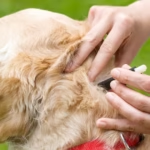
If a tick does manage to latch onto your dog, quick and safe removal is crucial. Use fine-tipped tweezers to grasp the tick as close to the skin as possible and pull straight out with steady pressure. We recommend using our tick removal kit for dogs to get the best results.
Avoid twisting or squeezing the tick, as this can increase the risk of disease transmission. After removal, clean the bite area with antiseptic and monitor your dog for symptoms like fever, lethargy, or unusual behavior.
Finally, don’t overlook vaccination as a preventive measure. While there’s no vaccine for most tick-borne diseases, the Lyme disease vaccine is a game-changer for dogs in high-risk areas. Talk to your vet about whether this option is right for your pup.
By combining these preventive measures, you can significantly reduce the risk of tick-borne diseases—and the scary possibility of seizures—keeping your furry friend healthy and happy.