
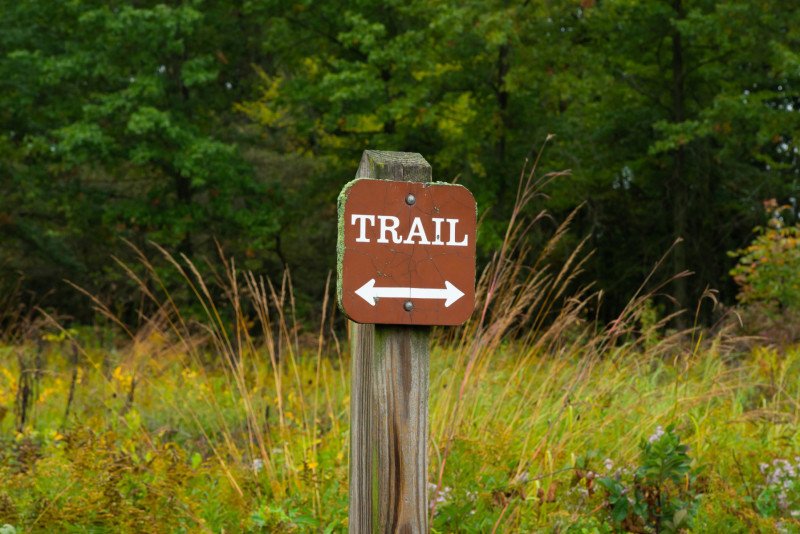
There’s nothing quite like hitting the trail—fresh air, sunshine, and the peaceful rhythm of your boots on the earth. But if you’ve ever had to pull a tick off your leg post-hike, you know the adventure can come with hidden risks. The good news? You don’t have to choose between enjoying nature and protecting yourself from ticks.
With the right strategy—and the right natural tick repellent—you can hike smart, stay safe, and keep the bugs at bay. Whether you’re heading out for a quick local walk or an all-day backcountry trek, these top 10 tips will help you avoid ticks and keep your outdoor time worry-free.
1. Plan Your Route With Ticks in Mind
Ticks love areas with tall grass, dense brush, and leaf litter. Try to stick to well-maintained trails and avoid overgrown side paths when possible. Before you go, check local trail reports or park alerts for any tick warnings in your area.
Even if you’re a seasoned hiker, planning a route with fewer tick-prone areas can make a huge difference.
2. Wear Light-Colored, Long Clothing
You’ve heard it before—but it’s true: ticks are easier to spot on light clothing. Wearing long sleeves and long pants helps prevent direct contact with your skin. Tuck pants into socks or boots for extra protection, especially in heavily wooded areas.
Opt for breathable fabrics that wick moisture and make your hike comfortable even in warmer weather.
3. Use a Natural Tick Repellent
You don’t have to douse yourself in harsh chemicals to stay protected. A natural tick spray, like TickWise by 3 Moms Organics, uses essential oils and plant-based ingredients to help keep ticks away—without compromising your health or the environment.
It doubles as a natural mosquito spray repellent, making it a go-to solution for all your outdoor excursions. You can shop TickWise here: https://3momsorganics.com/collections/tick-repellent
4. Spray Down Gear, Too
Ticks don’t just hitch rides on people—they cling to backpacks, blankets, and gear. Before you head out, apply natural tick repellent to your backpack, hiking poles, and even your shoes. Reapply as needed, especially on longer hikes.
A few extra sprays now can save you from hours of discomfort later.
5. Stay in the Middle of the Trail
It’s tempting to explore the edges of a trail or stop for a photo among the trees, but that’s prime tick territory. Walking in the center of the trail lowers your chance of brushing against tick-infested vegetation.
This tip is especially important in early spring through late fall, when ticks are most active.
6. Keep Pets Protected
Your furry companions love the trail just as much as you do—but they’re also major tick magnets. If you’re bringing your dog, make sure they’re protected with pet-safe tick repellents and check them thoroughly after every hike.
Bonus: TickWise is dog-friendly, which makes it a perfect choice for pet parents looking for an all-natural solution.
7. Do a Full-Body Tick Check After the Hike
After every hike, take time to inspect your body for ticks—especially behind the knees, around the waistband, in your armpits, and along your hairline. Ticks are small and sneaky, and early detection is key to avoiding illness.
Don’t forget to check your gear and shoes before bringing them inside!
8. Shower Within Two Hours of Coming Indoors
Showering after a hike doesn’t just clean you off—it can wash away ticks before they have time to attach. Use a washcloth or loofah to scrub and help dislodge any hidden pests.
This is one of the CDC’s top recommendations and it really works.
9. Tumble-Dry Clothes on High Heat
Worried you missed a tick or two on your clothes? Toss them in the dryer on high heat for at least 10 minutes. Ticks can’t survive that environment, even if they made it back with you.
This simple habit is a game-changer, especially during peak tick season.
10. Be Consistent with Prevention
The biggest secret to avoiding ticks while hiking? Making prevention a routine. Always bring your natural mosquito repellent, stay on alert during tick season, and get into the habit of post-hike checks.
Like most things in the outdoors, consistency beats intensity. Build these tips into your hiking ritual and you’ll protect yourself, your family, and your pets for every adventure ahead.
Bonus: Why Natural Repellents Matter
Choosing a natural tick repellent isn’t just about staying safe—it’s about doing it responsibly. Many mainstream bug sprays contain DEET or other synthetic chemicals that can irritate skin, damage gear, or harm ecosystems.
Plant-powered repellents like TickWise provide effective protection while staying gentle on skin, safe for pets, and eco-conscious. Plus, with essential oils like cedarwood, geranium, and peppermint, they smell a whole lot better, too.
You can find natural mosquito spray repellent and natural tick spray options in the full TickWise collection:
👉 https://3momsorganics.com/collections/tick-repellent
Final Thoughts
Hiking should be about connecting with nature—not stressing about bugs. With the right knowledge and the right gear, you can enjoy your time on the trail while keeping ticks (and mosquitoes) off your skin and out of your pack.
Whether you’re a weekend warrior, a thru-hiker, or just out for a stroll with your dog, these tips will help you stay protected, naturally.
Stay safe, stay smart, and don’t forget your TickWise. 🌿
#naturalmosquitorepellent #naturaltickspray #tickrepellent #naturalmosquitosprayrepellent #naturaltickrepellent #hikingtips #tickprevention #outdoorsafety #greengear


