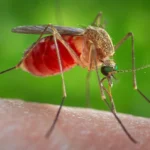

Every dog owner knows the heart-stopping moment of finding an unexpected tick on their beloved pet. But what’s even more unsettling is knowing that for every tick you spot, there could be others hiding in places you’ve never thought to check. With veterinarians reporting that the majority of tick attachments occur in easily-missed locations, it’s clear that typical tick checks may not be thorough enough to protect your four-legged friend.
Birds: Nature’s Top Tick Courier
What many pet owners don’t realize is that birds are the number one spreader of ticks. Their long migratory routes and wide-ranging habitats allow them to carry ticks across vast distances, sometimes introducing infected ticks to entirely new ecosystems. Bird feeders—common in many backyards—can unintentionally attract these carriers, increasing the tick risk in residential areas. If you’re trying to minimize tick exposure, especially after already discovering ticks on your pet, removing bird feeders from your yard is a wise preventive step.
Birds play a significant role in the spread of Lyme disease and other tick-borne illnesses, contributing to the geographic expansion of tick populations. According to research, households that found ticks on their pets had a 2.69 times greater chance of a tick crawling on a human household member, and a 2.5 times greater chance of a tick actually attaching. In short, if you’re finding ticks on your dog, it’s not just your pet at risk—your entire household may be exposed.
At 3Moms Organics, we’ve worked with veterinary professionals and nature-conscious pet owners to develop natural tick repellent and natural mosquito spray repellent solutions designed to protect the whole family—fur babies included.
10 Common Tick Hiding Spots All Dog Owners Should Check
Ticks are masters of stealth, seeking out warm, protected areas on your dog’s body where they can feed undisturbed. Here are the top 10 hiding spots you need to inspect thoroughly after every walk or outdoor adventure.
1. Between Toes and Paw Pads
Ticks thrive in tight, cozy spaces like the areas between your dog’s toes and the edges of their paw pads. These spots offer warmth, limited light, and easy blood vessel access.
2. Inside and Around Ears
The thin skin and deep crevices in and around a dog’s ears make this area a tick haven. If your pup starts shaking their head or scratching more than usual, it’s time to investigate.
3. Base of Tail and Groin Area
These warm, hidden regions are ideal for ticks, especially since they’re often shielded by fur and body position. Inspecting this zone is critical for early detection.
4. Neck and Under Collar
Your dog’s collar creates a damp, low-light environment where ticks can latch on without being noticed. Be sure to remove and check under the collar often.
5. Eyelids and Facial Folds
Dogs with facial wrinkles (e.g., Bulldogs, Pugs) are at higher risk for ticks hiding in folds or near the eyelids. Always be gentle but thorough in these sensitive areas.
6. Genital and Perianal Regions
Not the most comfortable place to check, but definitely a favorite for ticks. Their warmth and protection make them prime real estate.
7. Armpits and Inner Thighs
These fold-heavy, soft-skinned areas are easily overlooked. Ticks love the warmth and concealment these regions provide.
8. Gumline and Roof of Mouth
Though uncommon, ticks can attach to the moist areas inside your dog’s mouth, especially after licking vegetation or rolling in the grass. Use treats and care when checking.
9. Nostrils/Nasal Cavity
Ticks may attach to the soft tissue just inside your dog’s nose, causing discomfort or even respiratory problems.
10. Lower Belly and Hip Joints
For senior dogs, the belly and hips are often in contact with the ground, making them vulnerable to tick exposure.
Breed-Specific Risks: How Anatomy Affects Tick Hiding
Ticks don’t discriminate, but certain dog breeds do have anatomical features that increase their risk.
Dogs with Wrinkles (e.g., Shar-Peis, Bulldogs): Deep folds are moist, warm, and hard to inspect—perfect for ticks.
Long-Haired Breeds (e.g., Huskies, Collies): Dense fur offers ticks a forest of protection. Regular brushing and tick checks are essential.
Short-Haired Dogs (e.g., Dalmatians, Boxers): Easier to inspect, but still vulnerable in belly and groin areas.
For these dogs, using natural tick spray and grooming adjustments like trimming fur around the paws, ears, and tail can drastically reduce tick hideouts.
Tick Size Matters: Life Stages and Behavior
Ticks go through different life stages, each with its own preferred hiding locations:
Nymphs (less than 3mm): Often found in tight areas like between toes or behind ears. These tiny pests are especially dangerous because they’re so easy to miss.
Adult Ticks: Larger and more likely to be found in more open areas like the neck, base of the tail, and groin.
Humidity also plays a role. In wetter climates, ticks prefer skin folds or under collars. In drier areas, they may favor sheltered zones like armpits or inner thighs.
Prevention Tips: Full-Body Protection for Your Pup
Taking a proactive approach with natural tick repellent products and consistent grooming is the best way to protect your pet. Here’s a handy prevention checklist:
Post-Walk Routine
Wipe your dog’s coat down with a damp cloth after walks to dislodge loose ticks.
Conduct a full-body tick check, focusing on all 10 hiding spots.
Use Safe, Effective Products
3Moms Organics TickWise is a trusted natural tick spray that repels ticks and mosquitoes without harsh chemicals.
Oral meds and collars can offer extended protection, but always consult your vet to match your dog’s lifestyle.
Environmental Management
Remove bird feeders to cut off the tick-bird connection.
Keep your yard trimmed and leaf-litter free.
Use natural mosquito repellent sprays safe for pets and kids in outdoor spaces.
Clean Gear Regularly
Wash collars, bedding, and grooming tools weekly.
Consider switching to nylon or smooth material collars to reduce tick attachment.
Final Thoughts
Ticks are more than just an itchy nuisance—they’re carriers of diseases that can harm both pets and humans. With birds acting as mobile launch pads for ticks, and pets as their easiest hosts, it’s crucial to remain vigilant. Armed with the knowledge of where ticks hide, how they behave, and the right natural tools like TickWise natural tick repellent, you can keep your dog—and your household—safe from harm.
For more prevention tools and all-natural protection products, visit 3Moms Organics Tick Repellent Collection.